
In modern life sciences, the push for speed and scale is relentless. Yet a quiet crisis persists at the lab bench: experiments that look promising in one run often fail to reproduce in the next.
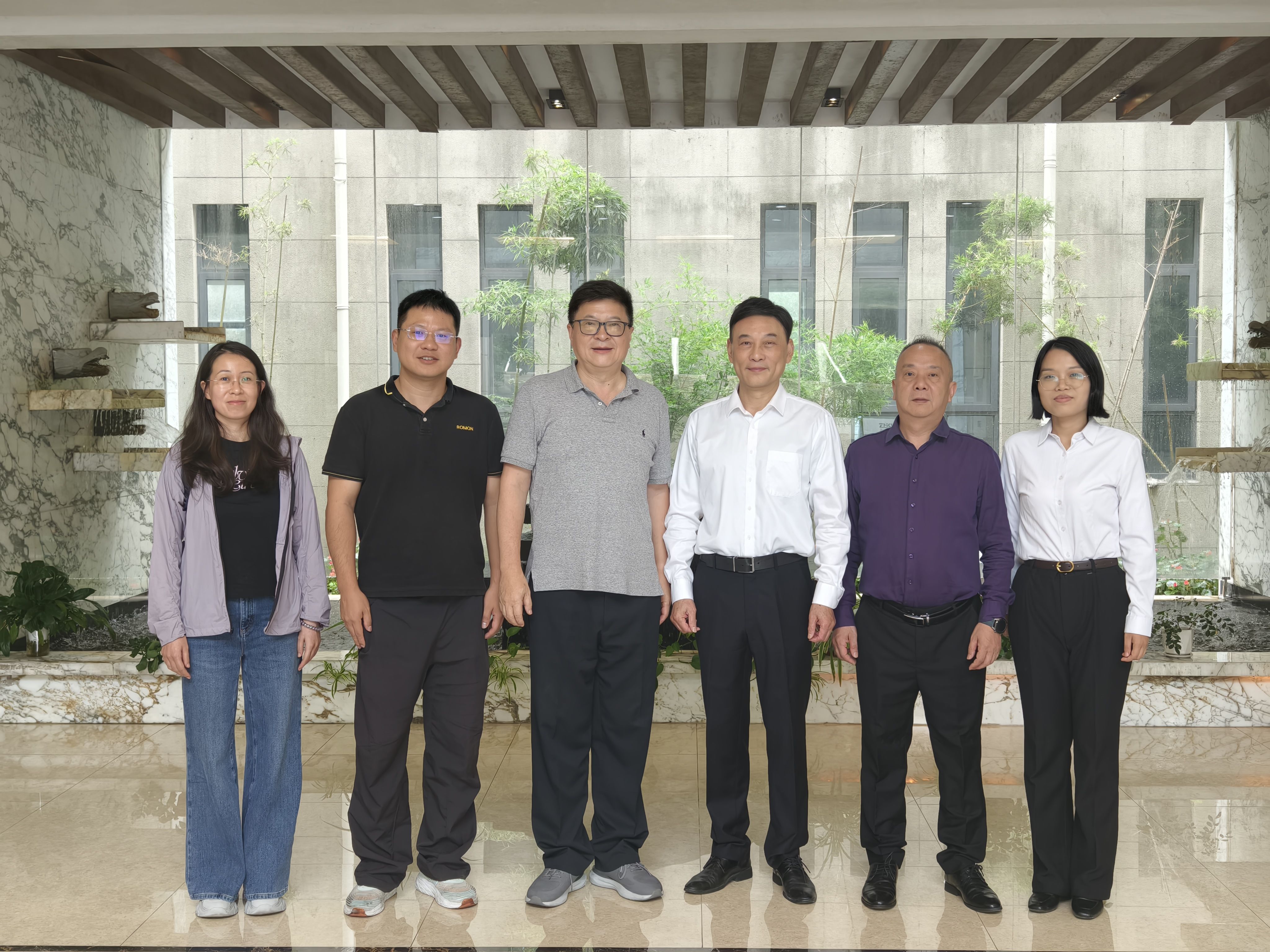
When Dr. Terry Hwa (a distinguished Professor at UC San Diego and a member of the US National Academy of Sciences) recently visited Labwit Scientific’s manufacturing and R&D center in Shanghai, the conversation bypassed standard factory tour pleasantries. Sitting down with Managing Director of Factory, Mr. Shen Shuixing and our senior engineering team, Dr. Hwa shared a candid critique of current biological research practices and challenged equipment manufacturers to set a higher bar.
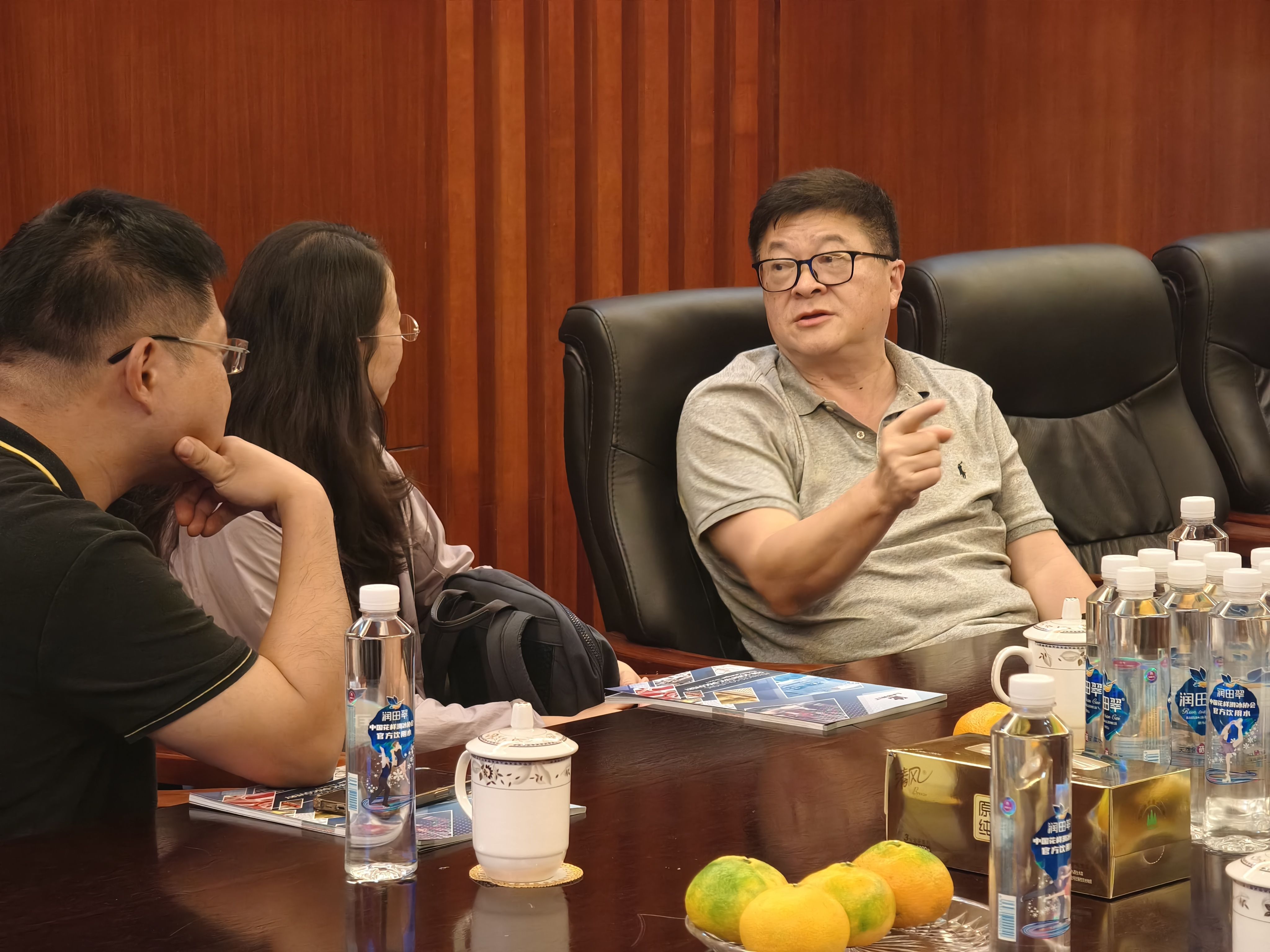
Below is an edited excerpt from our conversation on the realities of high-throughput data, the physics of Optical Density (OD) measurement, and what the next generation of lab instrumentation must deliver.
Labwit Team: Dr. Hwa, how do you view the current state of biological research and how researchers approach their daily measurements?
Dr. Terry Hwa: Biology is fundamentally different from disciplines like physics, where you have universal constants. Biological systems, proteins, and enzymes are the result of billions of years of complex evolution. Historically, our understanding of biology has resembled the geocentric model in early astronomy in the way that we observed what was happening on the surface, built narratives around it, and assumed our view was complete.
Today, a surprising number of researchers believe they already understand 90% of the systems they work with, especially when dealing with seemingly simple bacteria. In reality, we probably understand closer to 10%. Because researchers assume the biology is straightforward, they often overlook the deeper mechanics of what their instruments are actually measuring.
Labwit Team: The industry is moving heavily toward high-throughput screening. What are the hidden dangers you see in this trend?
Dr. Terry Hwa: Everyone asks for high throughput, and many labs default to tools like 96-well plates to screen as many variants as possible. The problem is that when you shrink volumes down without rigorous control over the growth environment, the micro-environment inside those wells is constantly shifting. You end up with a complete mess of data.
High throughput is meaningless without high quality. Years ago, Nature highlighted that a vast majority of published biological experiments could not be reproduced. A major reason is that users don't realise how much variance is introduced by the equipment and the vessel itself. You must achieve absolute repeatability first, and only then scale up your throughput. Otherwise, you aren't doing faster science, you are just generating a high volume of noise.
Labwit Team: When it comes to fundamental measurements like Optical Density (OD), what separates a standard instrument from a truly reliable one?
Dr. Terry Hwa: In microbial and cell culture, OD is the most fundamental indicator you have, it is the equivalent of taking a patient's pulse in traditional medicine. A basic instrument simply spits out a rough curve. A truly reliable instrument accounts for the physical realities of a moving lab bench.
Take optical path length as an example. Because a culture flask is round, the laser must pass through the exact center chord of the vessel to give a true reading. If the flask is slightly off-center, tilted, or if the clamp loosens even a fraction of a millimeter over days of shaking, the light path changes and your OD data fluctuates wildly.
Furthermore, as biology moves into the era of AI and big data, rough trends aren't enough. AI models require standardised, quantitative data that can be compared across different runs and different labs. Engineering out physical inconsistencies through precision-molded vessels, rigid clamping geometry, and aligned optics, is what turns a rough indicator into hard, comparable scientific data.
Labwit Team: How should manufacturers approach the next generation of laboratory equipment?
Dr. Terry Hwa: Manufacturers cannot simply wait for customers to tell them what to build. Often, researchers are so focused on their biological targets that they don't diagnose the mechanical or optical errors happening inside their own workflows. You have to use your engineering expertise to define the standard for them.
The goal shouldn't just be to sell a machine that spins and heats. It should be to build environmental precision, method standards, and data reliability directly into the hardware. When an instrument guarantees that a researcher in one lab can run a culture today and get the exact same baseline as a researcher across the world next month, that is when you genuinely advance the science.
At Labwit Scientific, we believe reliability starts with engineering out the variables you shouldn't have to worry about. Explore how we build repeatability into every benchtop shaker and incubator.